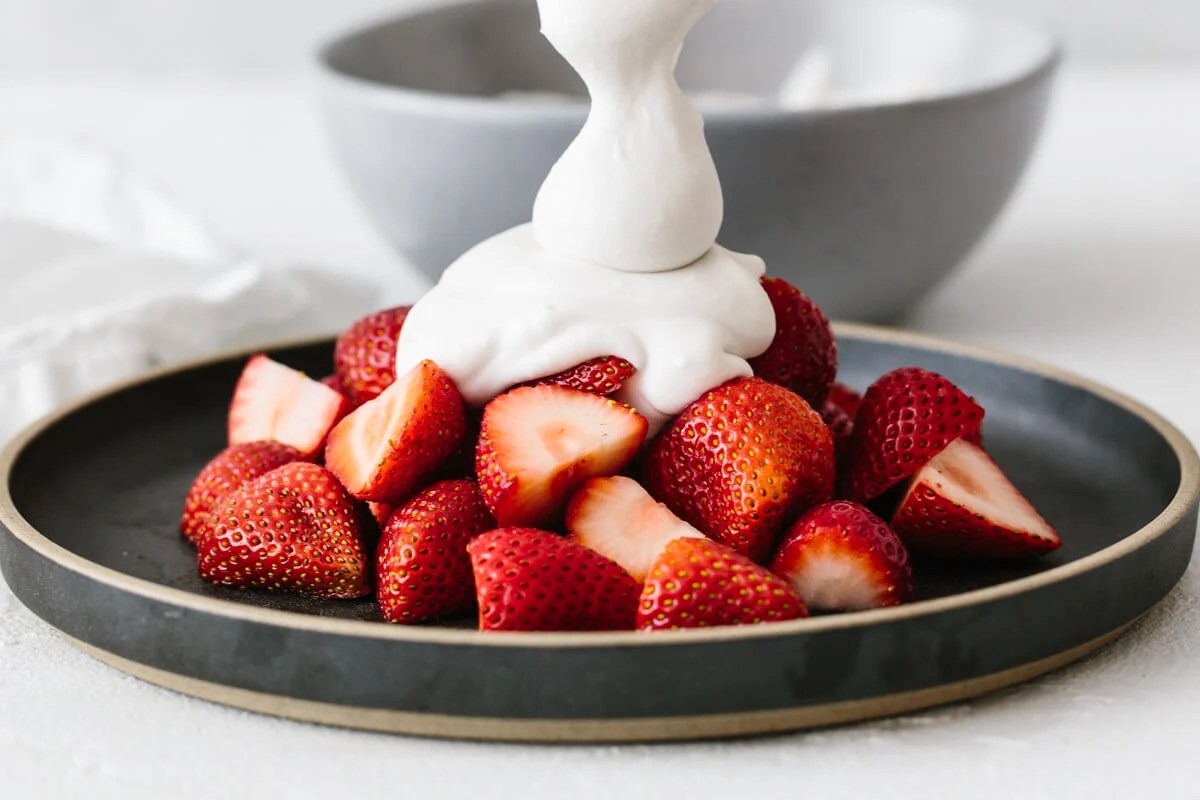
The first time I attempted to transform a simple can of coconut cream into a cloud of fluffy, dairy-free whipped topping, I was filled with a mix of excitement and skepticism. I'd seen countless photos online – towering peaks of pristine white cream, promising a guilt-free indulgence. My initial attempts weren't entirely disastrous, but they certainly weren't the picture-perfect, airy dreams I'd envisioned. Yet, even those early, slightly-less-than-perfect batches tasted amazing. It was a learning curve, and through trial and error (and a lot of research!), I discovered the subtle art behind mastering how to make fluffy dairy-free coconut whipped cream.
Today, coconut whipped cream is a staple in my kitchen – a versatile, delightful garnish that elevates everything from fresh berries to elaborate desserts. Whether you're navigating dietary restrictions, embracing a vegan lifestyle, or simply curious about new culinary adventures, this plant-based alternative is a game-changer. It's surprisingly simple to prepare, often taking just a few minutes of active time, and the reward is a light, airy, and subtly sweet topping that rivals its dairy counterpart. If you're ready to unlock the secrets to perfect peaks and a velvety texture, you've come to the right place. Let's dive into exactly how to make coconut whipped cream that will impress every time.
The Essential Foundation: Choosing and Chilling Your Coconut Cream
The journey to impeccable coconut whipped cream begins long before you even touch a mixer. The quality of your primary ingredient, the coconut cream itself, is paramount. Not all coconut products are created equal, and making the right selection at the grocery store will dramatically impact your success.
Selecting the Perfect Can
- Full-Fat is Non-Negotiable: This is the most critical tip. For whipped coconut cream, you absolutely need full-fat coconut milk or, even better, dedicated coconut cream. The higher fat content is what allows it to separate and solidify into the rich, scoopable cream needed for whipping. Avoid "light" or "reduced-fat" varieties – they simply won't work.
- Check for Additives: Scan the ingredient list for stabilizers, gums (like guar gum or xanthan gum), or emulsifiers. While some brands incorporate these to prevent separation in regular use, they can sometimes hinder the whipping process, making the cream less fluffy or even preventing it from whipping altogether. Aim for brands with minimal ingredients, ideally just coconut extract and water.
- The Shake Test: Here's a clever trick for the grocery aisle. Gently shake the can. If it feels sloshy and liquidy, it might not have enough solid cream at the top. If it feels solid or you can distinctly feel a solid mass moving around, that's a good sign it has a thick layer of cream that will whip beautifully.
- Trusted Brands: While I can't name specific brands, many culinary communities online often recommend certain brands known for their high-fat content and reliable separation. A quick search can point you in the right direction if you're consistently having trouble.
The Importance of a Good Chill
Once you have your ideal can of full-fat coconut cream, the next crucial step is chilling. This isn't just a suggestion; it's a requirement. The goal is to get the can incredibly cold, usually in the refrigerator for at least 24 hours, but ideally for 48 hours or more. If you're in a hurry, you can even pop it in the freezer for 30-60 minutes, but be careful not to let it freeze solid.
Why is chilling so vital? Cold temperatures cause the solid, fatty part of the coconut cream to separate from the thinner coconut water and rise to the top of the can. This solid cream is what we'll be whipping. If the can isn't cold enough, the cream won't fully separate, leaving you with a watery, un-whippable mixture. Think of it like butter: you can't whip melted butter, but cold butter can be creamed. The same principle applies here, making the proper chill a non-negotiable step in how to make vegan coconut cream for any dessert.
Step-by-Step Guide: How to Make Coconut Whipped Cream Like a Pro
With your perfectly chilled coconut cream ready, it's time to bring out the mixing tools. This process is straightforward, but paying attention to each step ensures a light, airy, and consistently fluffy result.
1. Prep Your Tools for Success
Just as important as chilling your coconut cream is chilling your equipment. Place your mixing bowl (preferably metal or glass) and your whisk attachment (from a stand mixer or a handheld mixer) in the freezer for 10-15 minutes before you begin. The cold surfaces help maintain the temperature of the coconut cream, preventing it from warming up too quickly and ensuring it holds its texture and volume during whipping.
2. Extracting the Creamy Goodness
Carefully open your chilled can of coconut cream or milk. You should see a thick, solid layer of cream at the top, with a translucent liquid (coconut water) underneath. Using a spoon, gently scoop the solid, hardened cream into your chilled mixing bowl. Be meticulous here; try to leave as much of the coconut water behind as possible. This liquid can be saved for smoothies, soups, or other recipes – don't discard it! But for whipped cream, it's the enemy of fluffiness.
3. The Whipping Begins
With your solid coconut cream in the bowl, it’s time to start whipping. Begin on medium speed with your electric mixer (stand mixer or hand mixer). You'll notice the cream slowly starting to break down and then, within about 1 minute, it should begin to fluff up and resemble a slightly soft, traditional whipped cream. Don't be tempted to go straight to high speed; medium allows for better control and helps build structure gradually.
4. Sweetening and Flavoring Your Fluffy Creation
Once the cream has achieved an initial fluff, it's time to introduce your sweeteners and flavorings. Powdered sugar (confectioners' sugar) is ideal because its fine texture dissolves easily without adding a grainy mouthfeel. Start with a modest amount, about 1-2 tablespoons, and add 1/2 teaspoon of pure vanilla extract. Continue to beat on medium speed for another 1-2 minutes. Watch as the mixture transforms, becoming lighter, airier, and wonderfully smooth. If you prefer a different sweetener, such as maple syrup or agave, add it in smaller increments to taste, being mindful that liquid sweeteners can slightly thin the mixture.
5. Achieving Perfect Peaks
The goal is to reach what bakers call "soft peaks." This means when you lift the whisk, the cream forms a peak that gently curls over. Stop whipping as soon as you reach this stage. Over-whipping is one of the most common pitfalls with coconut cream, as it can quickly go from perfectly fluffy to grainy or even oily (more on that in our troubleshooting section).
6. The Taste Test and Final Touches
Give your freshly whipped coconut cream a quick taste. If you desire more sweetness or a more pronounced vanilla flavor, gently fold in a tiny bit more powdered sugar or extract using a spatula. Be careful not to mix vigorously at this point, as it can still lead to over-whipping. Once satisfied, it's ready to serve!
Troubleshooting & Advanced Tips for Flawless Whipped Cream
Even with the best intentions and the right ingredients, sometimes things don't go exactly as planned. But don't despair! Here are solutions to common issues and ways to elevate your coconut whipped cream even further.
Common Pitfalls and How to Avoid Them
- Grainy or Oily Texture: This is almost always a sign of overmixing. Coconut cream, unlike dairy cream, has a tendency to break down if whipped for too long. Once you see those soft peaks forming, stop immediately. If it's already grainy, you can sometimes salvage it by adding a tiny splash of additional coconut water (from the can, warmed slightly if solid) and gently folding it in, but often, it's best to start fresh or repurpose it into a smoothie.
- Separation or Not Whipping: If your cream refuses to fluff up, it's likely not cold enough, or you might have too much coconut water mixed in. Chill the entire bowl again (or pop it in the freezer for 15 minutes), then try gently re-whipping. If it still won't hold, a tiny pinch (about 1/4 teaspoon) of tapioca starch or arrowroot powder can act as a stabilizer, helping it thicken.
- Weak Peaks: If your peaks are too soft and don't hold their shape, it could be a combination of not enough chilling, slightly too much liquid, or not quite enough whipping time. Re-chill and whip briefly again.
Flavor Innovations
Vanilla and a touch of sweetness are classic, but don't be afraid to experiment!
- Citrus Zest: For a bright, refreshing twist, fold in 1-2 teaspoons of finely grated lemon, lime, or orange zest. This is fantastic with fruit tarts or tropical desserts.
- Warm Spices: A dash of cinnamon, nutmeg, or a hint of cardamom can add warmth and complexity, perfect for fall desserts like apple pie or pumpkin spice lattes.
- Cocoa Powder: Sift in 1-2 tablespoons of unsweetened cocoa powder for a rich chocolate whipped cream, ideal for brownies or chocolate cake.
- Extracts: Beyond vanilla, consider almond extract, peppermint extract (especially around the holidays), or even a touch of rum extract for an adult twist.
Storage and Re-whipping
For the absolute best texture, serve your coconut whipped cream immediately. It's at its peak of fluffiness and airiness. If you have leftovers, store them in an airtight container in the refrigerator for 1-2 days. Be aware that it may harden slightly or even separate a bit during storage. If this happens, simply give it a quick re-whip with your mixer on medium speed for about 30 seconds to restore its fluffy consistency. You might need to add a tiny splash of coconut water or even dairy-free milk to help it loosen up if it's very stiff.
Equipment Alternatives
While a stand mixer with a whisk attachment makes quick work of whip up easy 5-minute vegan coconut cream for any dessert, you don't necessarily need fancy tools:
- Hand Mixer: A handheld electric mixer is an excellent, affordable middle ground. It offers good power and control.
- Hand Whisk: Yes, you can make this with a regular whisk and some serious arm power! It will take longer and require more effort, but it's absolutely doable if you're committed to the workout. Just make sure your bowl and whisk are well-chilled.
Conclusion
Mastering how to make coconut whipped cream is a skill that will open up a world of dairy-free dessert possibilities. From your very first attempt to a confident, flawless batch, the journey is rewarding. By focusing on selecting the right full-fat coconut cream, ensuring thorough chilling, and paying attention to the simple steps of whipping, you can consistently achieve that perfect, fluffy, cloud-like topping. So go ahead, grab a can, get chilling, and prepare to elevate your desserts with this wonderfully versatile and delicious vegan treat!
